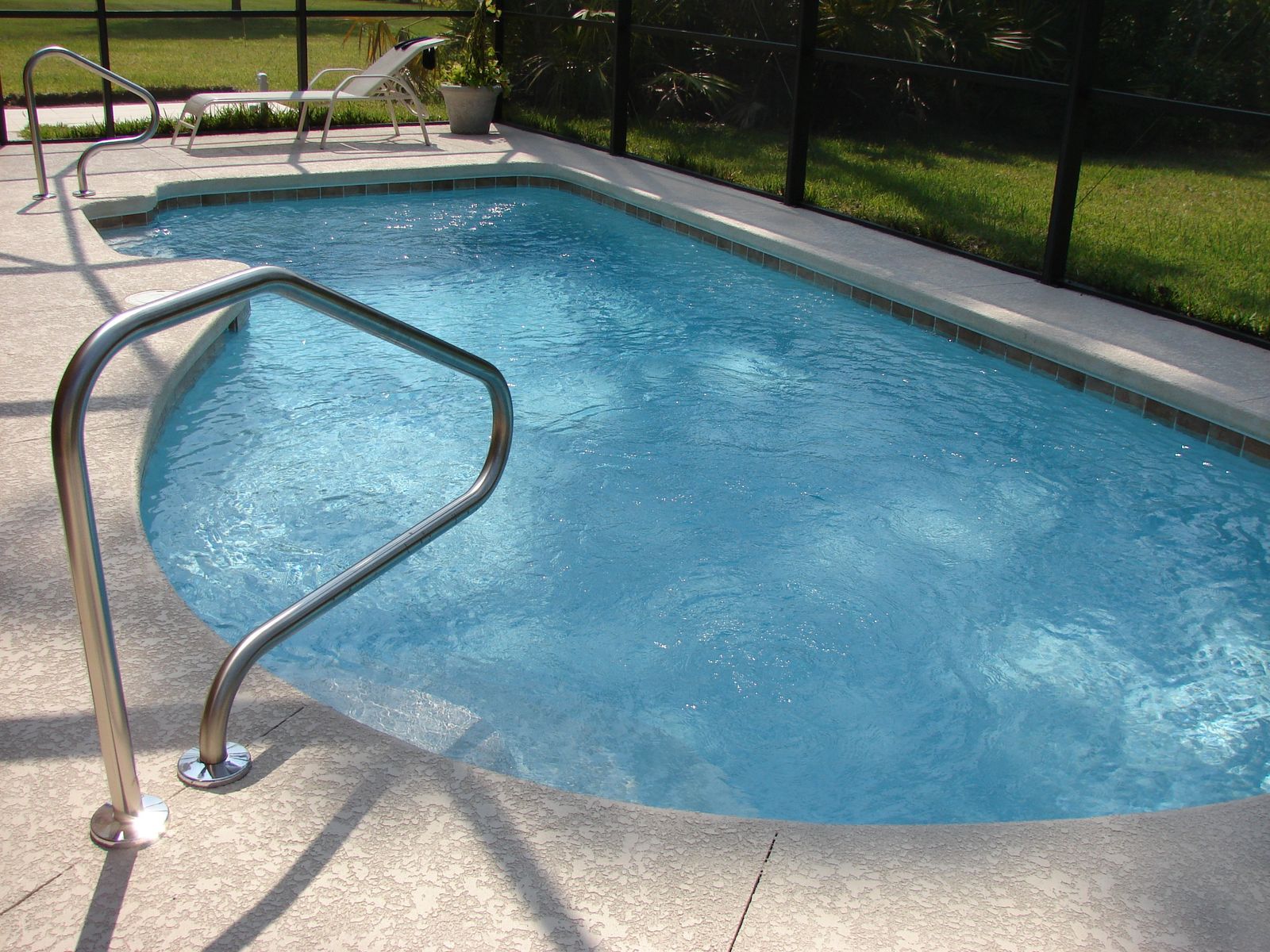
A home pool is a great thing to have, and it deserves to be set up so it's safe for everyone — especially young children, who can get into the water quickly and silently. The CDC reports that drowning is a leading cause of death for young children, and that for children ages 1 to 4, most drownings happen in home swimming pools. The widely recommended approach is layers of protection: several safeguards, so if one fails, another is still in place.
A barrier that fully separates the pool
A fence or barrier that separates the pool from the house and the rest of the yard is one of the most important safeguards. Common guidance, including the U.S. Consumer Product Safety Commission's pool barrier guidelines, calls for:
- A barrier at least 4 feet high, without footholds or handholds a child could use to climb it
- Gates that are self-closing and self-latching, and that open outward, away from the pool
- Gate latches placed high enough to be out of a small child's reach
- Alarms on any door that leads directly from the house to the pool area
Barrier requirements are set locally and vary, so check your local code — and treat meeting code as a minimum, not a guarantee.
Safe drains and drain covers
Pool and spa drains can create powerful suction. The federal Virginia Graeme Baker Pool & Spa Safety Act requires anti-entrapment drain covers on public pools and spas, and the same protection matters at home. Have a qualified pool professional confirm your drain covers are compliant, secure, and undamaged — covers are rated for a limited service life and need replacing over time — and never use a pool or spa with a missing or broken cover.
Supervision that actually works
- Name a "water watcher" — one adult whose only job is watching the water, with no phone or distractions — and hand the role off out loud when you step away
- Stay within arm's reach of young children and weak swimmers
- Don't treat inflatable toys or water wings as safety devices; weak swimmers should wear a U.S. Coast Guard–approved life jacket
- Keep a phone poolside for emergencies, and learn CPR
Around the pool
- Take toys out of the water and off the deck after swimming, so they don't draw children back
- Keep rescue equipment, like a reaching pole or ring buoy, where adults can grab it
- Store pool chemicals securely, out of children's reach, follow label directions, and never mix different chemicals
- If a child is missing, check the pool first
Where a pool professional helps
A qualified pool company can check drain covers, gates, and equipment during routine service and flag problems before they become hazards. Ask yours to include a basic safety check on its visits — and fix what it finds.